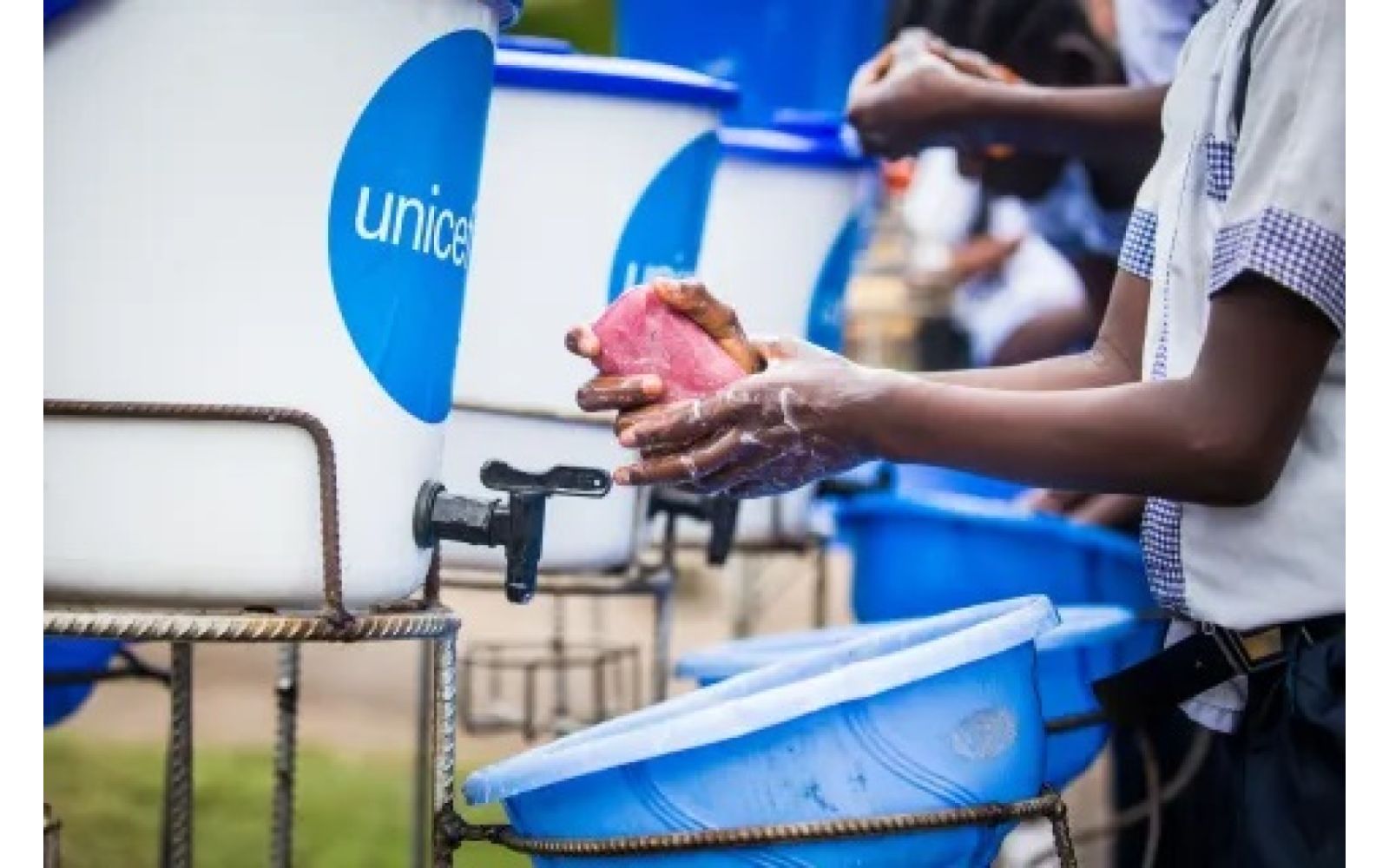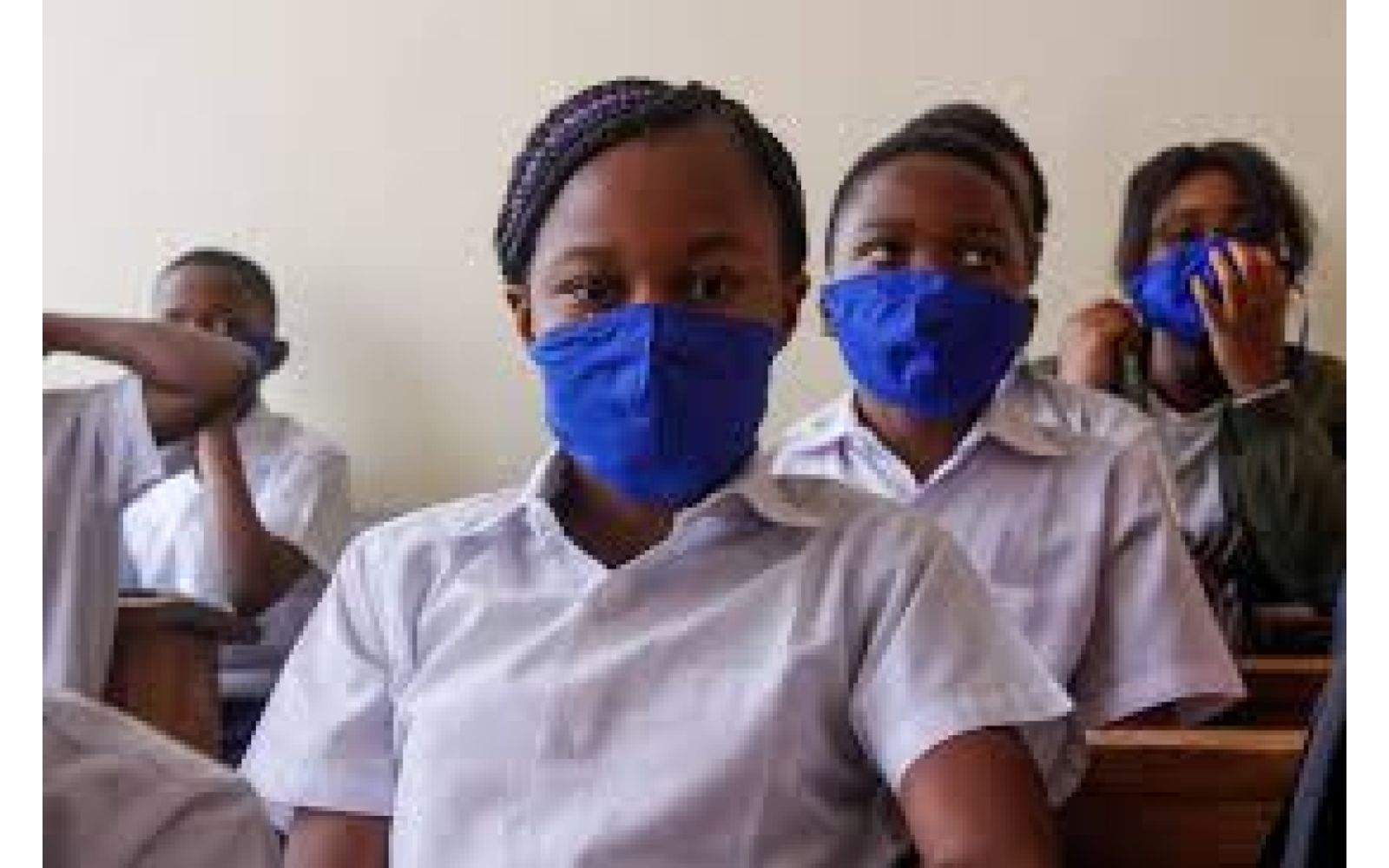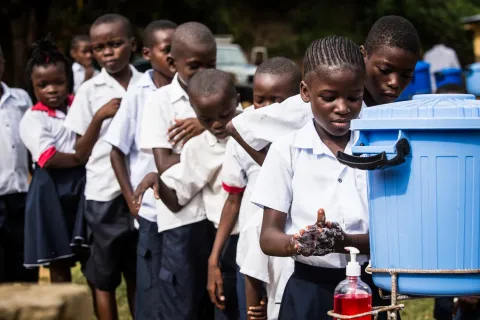


Context and Justification of the Project Project Context • Systemic Educational Fragility: Target regions in the Democratic Republic of the Congo (DRC) suffer from chronic deficits in school infrastructure, lack of learning materials, and underfunded teaching staff. • The Shock of Epidemics: Ebola outbreaks force prolonged school closures to break transmission chains. This disruption breaks the learning cycle and detaches children from the school system. • Community Trauma: Affected communities emerge from acute health crises marked by loss of life, stigmatization of survivors, an increase in orphans, and deep mistrust toward institutions. Project Justification • Breaking the Cycle of Vulnerability: Prolonged absence from school increases the risk of boys being recruited by armed groups or forced into labor, and girls facing early marriage or pregnancy. • Schools as Health Shields: Reopening schools with proper water, sanitation, and hygiene (WASH) infrastructure provides the most effective platform to teach life-saving habits and prevent future outbreaks. • Psychosocial Recovery: Returning to a structured school routine is vital for children to heal from post-traumatic stress caused by the loss of relatives and social isolation. • Economic Relief for Families: Epidemics paralyze local economies. Providing school kits and daily meals directly relieves households heavily impoverished by the post-Ebola financial crisis. • Alignment with Strategic Goals: This intervention supports the DRC government’s free primary education policy while meeting international humanitarian standards for Education in Emergencies (EiE). PROJECT PROPOSAL: Post-Ebola Educational Recovery for 3,000 Children in the DRC 1. Project Context • Systemic Educational Fragility: Target regions in the Democratic Republic of the Congo (DRC) suffer from chronic deficits in school infrastructure, severe shortages of learning materials, and underfunded teaching staff. • The Shock of Epidemics: Ebola outbreaks force prolonged school closures to break transmission chains. This disruption breaks the learning cycle, leading to high dropout rates and detaching children from the formal school system. • Community Trauma: Affected communities emerge from acute health crises marked by sudden loss of life, stigmatization of survivors, an increase in vulnerable orphans, and deep mistrust toward public institutions. 2. Project Justification • Breaking the Cycle of Vulnerability: Prolonged absence from school increases protection risks. It exposes boys to recruitment by armed groups or forced labor, and exposes girls to early marriages, gender-based violence (GBV), and teenage pregnancies. • Schools as Health Shields: Reopening schools with proper water, sanitation, and hygiene (WASH) infrastructure provides the most effective platform to teach life-saving habits, reducing the risk of Ebola resurgence or other epidemic threats (such as Mpox). • Psychosocial Recovery: Returning to a structured school routine is vital for children to heal. Safe spaces help them process post-traumatic stress caused by the loss of relatives and severe social isolation. • Economic Relief for Families: Epidemics paralyze local livelihoods and markets. Providing school kits and daily meals directly relieves households heavily impoverished by the post-Ebola economic crisis. • Alignment with Strategic Goals: This intervention directly supports the DRC government’s policy on free primary education while strictly meeting international humanitarian standards for Education in Emergencies (EiE). 3. Project Objectives General Objective (Impact) To ensure the right to inclusive, quality, and protective education for 3,000 children affected by the Ebola outbreak in the DRC, while strengthening the health, nutrition, and psychosocial resilience of school communities. Specific Objectives (Outcomes) • Specific Objective 1 (Access & Retention): To re-enroll and retain 3,000 vulnerable students (boys and girls, including Ebola orphans) in school through the distribution of school kits, uniforms, and educational cost coverage. • Specific Objective 2 (Health & WASH Security): To secure the learning environment in target schools by establishing emergency water, sanitation, and hygiene (WASH) facilities to prevent the transmission of infectious diseases. • Specific Objective 3 (Psychosocial Support): To provide tailored mental health and psychosocial support (MHPSS) to students and teachers traumatized by the social and psychological impacts of the outbreak. • Specific Objective 4 (Nutrition & Food Security): To improve student concentration, attendance, and nutritional status by implementing emergency school feeding programs that deliver a balanced daily meal. 4. Project Mission and Core Values Project Mission To restore hope, dignity, and a secure future for 3,000 children affected by Ebola in the Democratic Republic of the Congo. By combining protective education, psychological healing, and health resilience, this project aims to transform schools into safe havens where vulnerable children can learn, grow, and thrive despite past crises. Core Values Our intervention is guided by five foundational principles that ensure the quality, safety, and ethics of our field operations: • Do No Harm (Safety & Protection): Prioritizing the physical and psychological safety of children at all times. This means enforcing strict hygiene protocols to prevent disease and ensuring a protective environment free from exploitation and stigma. • Inclusivity and Equity: Ensuring equal access to education for all children regardless of gender, economic status, or health background. Special focus is given to Ebola orphans, girls, and children with disabilities who face higher risks of dropping out. • Community-Led Resilience: Partnering directly with local parents' committees (COPA), teachers, and traditional leaders. We build on existing community strengths so that health habits and school protection systems endure long after the project ends. • Empathy and Child-Centered Care: Recognizing that learning cannot happen without emotional healing. We treat every child’s trauma with deep respect, providing a nurturing, non-judgmental environment that honors their lived experiences. • Accountability and Transparency: Maintaining absolute integrity in managing resources, food supplies, and school materials. We remain fully accountable to the communities we serve, our field partners, and our donors.
Mr Christian AHADI BEN MASONGA (Executif Director)
| Company Name | DYNAMIQUE DES JEUNES LAEDERS POUR LA PAIX ET LE RESPECT DES DROITS HUMAINS , DYJEPREDHU asbl |
|---|---|
| Reference Name | Christian AHADI BEN MASONGA (Executif Director) |
| Total Projects | 0 Projects |
| Address | N°208 Avenue Kasindi II, Quartier KATOYI, Commune de Karisimbi, Ville de Goma, Province du Nord-Kivu_RD Congo |
|---|---|
| City | Ville de Goma |
| State | RD Congo |
| Zipcode | |
| Country | Congo - Kinshasa |
"Good Education for 3,000 DRC's Kids" is an educational recovery project designed to support 3,000 primary school students in the Democratic Republic of the Congo. It directly addresses the severe learning disruptions and prolonged school closures caused by Ebola outbreaks and subsequent health crises.Key Features of the InitiativeAccelerated Remedial Learning: The program hosts two monthly sessions focused on storytelling, puppet theater, and reading support. These interactive, playful methods help children bridge the learning gap left by months of missing school.Youth-Led Facilitation: The sessions are facilitated by 12 trained secondary school students. This peer-to-peer approach fosters community solidarity and provides positive role models for the younger children.Health and Safety Awareness: Alongside literacy activities, the puppet shows and games are used to share vital health hygiene messages, helping to prevent the spread of the virus and dismantle misinformation within the community.
Good Education for 3,000 DRC's Kids post EBOLA